
Conflicts and Issues Management – Support for Faculty
Saturday, Nov. 7, 2026, 1:15-2:45 pm AST
Concerns about students that are raised by faculty can be wide-ranging, complex, and often challenging for academic leaders. This session will focus on conflict resolution, managing difficult behaviour, helping faculty make effective referrals, and building strong partnerships with student support services. If we use a health care analogy, this helps us move out of the emergency room into better primary health care – more prevention, less reaction. It helps reposition our faculty members as part of the community of care, rather than them feeling burdened with difficult and sometimes even frightening situations, without knowing where to turn for support. This session will include some theoretical underpinnings regarding conflict, academic freedom, restorative approaches, and equity, and will provide practical scripts, demonstrations and practice opportunities for academic leaders.
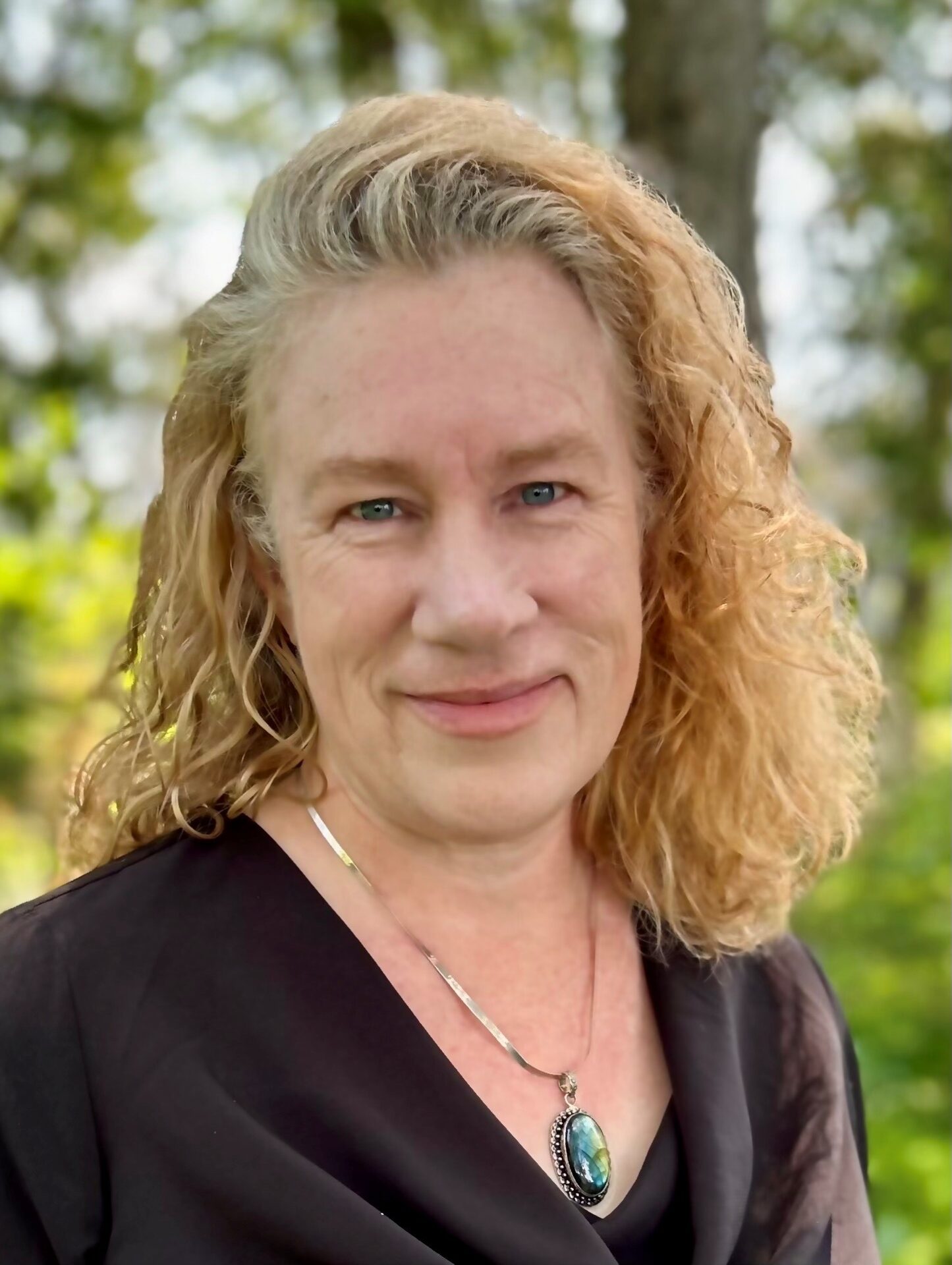
Dr. Nona Robinson
Mount Allison University
Vice President Student Affairs
About Nona
Nona Robinson is the vice president student affairs at Mount Allison University, with over 25 years’ experience including at the University of Toronto, Trent University and York University. She did her MA and PdD at the Ontario Institute for Studies in Education, and has taught undergraduate and graduate courses at both OISE and Trent University in the BEd, master’s and PhD programs. In her various positions, she has reworked policies and procedures related to students, collaborated with student groups, student leaders, faculty and staff on enhancing student support and campus community, and worked with civic and government partners on a range of access, inclusion and care services. In particular, she has worked on the reduction of systemic barriers and the creation of targeted supports for equity-deserving students.
Nona has developed a range of professional development initiatives for the campus community, and has contributed extensively to student affairs conferences, workshops, institutes, and publications; she is known as a national leader in innovations in reframing campus conduct management and restorative justice. Her focus is on developing campus community and capacity, working across the institution and notably with academic staff. She provides direct support and pedagogical professional development to faculty over a wide range of topics, focusing on approaches, skills building, collaborative partnerships, and research.